Music Hubs have been through a significant period of change over the last few years. In September 2024, 43 Hub Lead Organisations (HLOs) were appointed, responsible for coordinating music education more effectively across the region and with a greater focus on areas such as teacher development, inclusion, music technology and progression into the music industry.
Two years on, there's now more evidence of how the new model is working in practice. Another change is on the way too: the newly renamed National Centre for Arts Education (formerly the National Centre for Arts and Music Education) is now being established, with implementation beginning from 30 September 2026. National oversight of the Music Hubs network is due to transfer to the Centre from September 2027.
For schools and teachers, the changes are likely to be most noticeable in professional development, access to instruments and technology, and the way schools work with their local Music Hub.
What changed in 2024?
The changes introduced in 2024 came from the government's National Plan for Music Education. The central change was the introduction of Hub Lead Organisations (HLOs). These 43 HLOs were appointed to standardise the purchasing of equipment and services to larger areas, rather than the burden falling on each individual Music Hub.
By covering larger geographical areas, HLOs are better placed to manage music education strategically and take a more joined-up approach, working with schools, local authorities, music organisations and other partners. The aim wasn't simply to provide instrumental lessons. The new model puts more emphasis on how music education works across each area, including teacher development, inclusion, music technology and progression into the music industry.
Schools were also asked to develop Music Development Plans, setting out their approach to music education and how it would be delivered. Music Hubs can support schools with this work, helping them consider how music fits into the wider curriculum and what opportunities are available to pupils.
When we looked at the changes in our original 2024 article, much of the detail around the new structure and funding was still being finalised. Since then, the new HLO-led model has been in operation, giving us a better opportunity to see how the changes are working in practice.
Two years on: how is the new model working?
An interim evaluation of the restructured Music Hubs programme, published by the Department for Education in February 2026, offers some of the first evidence of how the new model has been received by schools, teachers and others involved in music education.
Many of the services schools were already using have continued through the transition. Music Hubs still provide instrumental teaching, instrument loans, ensembles, performance opportunities and professional development for teachers. There are positive signs around relationships between schools and Hubs too. 80% of teachers rated their relationship with their Music Hub as good or excellent, up from 73% under the previous model, and around 80% agreed their Hub provided useful professional development. Less confident primary teachers seem to be getting real value from this, benefiting from CPD and planning support when delivering music without specialist training.
The evaluation also identified ongoing challenges around funding, staffing and access. Recruitment of peripatetic music teachers remains difficult for many Hubs, and geographical distance and transport costs can make it harder for some pupils to access opportunities.
A new National Centre for Arts Education
The National Centre for Arts Education, previously referred to as the National Centre for Arts and Music Education, is another major change on the horizon. The Department for Education has now confirmed its delivery partner, consultancy Etio, working alongside partners including the Chartered College of Teaching and Birmingham City University. The Centre is backed by just over £29 million in government funding for an initial three-year period, with implementation beginning no sooner than 30 September 2026, following the standard procurement standstill period.
The Centre will have a wider remit than music alone, covering arts, culture and education. Its work will include improving access to arts education and directing investment towards areas where opportunities are more limited.
The government's Turn It Up: Our plan for music sets out the Centre's planned role, including a new online Continuing Professional Development (CPD) offer for primary and secondary teachers, promoting arts education, and supporting opportunities for young people to progress into creative careers.
For teachers, the planned CPD offer could provide another way to build confidence in areas where they don't have specialist training. The Centre is also expected to help teachers find and access professional development provided by other organisations. The exact content of the new CPD offer hasn't been announced yet, so it's too early to say exactly what it will look like.
What will happen to the Music Hubs?
The Music Hubs themselves aren't being replaced. The current network of 43 Hub Lead Organisation areas will continue, but responsibility for overseeing the network is due to move from Arts Council England to the new Centre from 1 September 2027.
According to the National Centre for Arts Education procurement notice, the Centre is expected to become the fundholder for the network, monitor how Hubs are performing and work with Hub partnerships on its wider priorities. Arts Council England will work with the Centre during the transition, with the Centre able to begin engaging with Music Hub partnerships ahead of the formal handover.
Future funding for the Music Hubs revenue grant from September 2027 hasn't yet been confirmed, so the longer-term financial arrangements are still to be announced.
More investment in instruments and music technology
One of the more tangible changes for schools is the continued investment in instruments, equipment and music technology. As part of the Music Hub Investment Programme, £25 million was allocated specifically for musical instruments, equipment and technology, which the government says will provide more than 130,000 instruments, pieces of equipment and items of music technology by the end of the 2026/27 academic year.
Schools needing to expand or update their existing equipment stand to benefit most directly, as do pupils who might otherwise have limited access to instruments and music technology. The interim evaluation found the capital grant had improved access to instruments, though some Hubs reported challenges around the administration and timing of the funding.
How Chamberlain Music is supporting Music Hubs
As a music education supplier, Chamberlain Music has been closely involved with the Music Hub programme for many years. When the new structure was introduced in 2024, we were selected by the Department for Education as a registered supplier for the capital grant, making us eligible to provide instruments, equipment and technology covered by the programme.
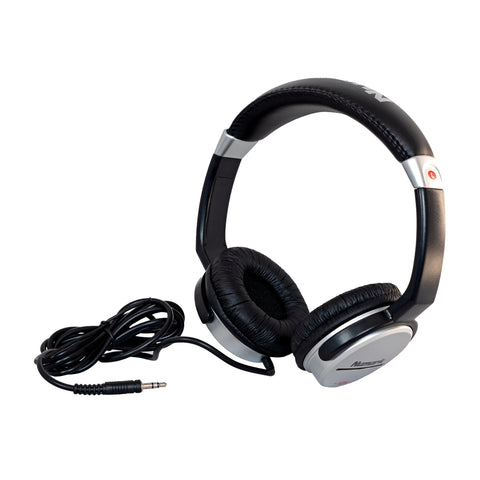
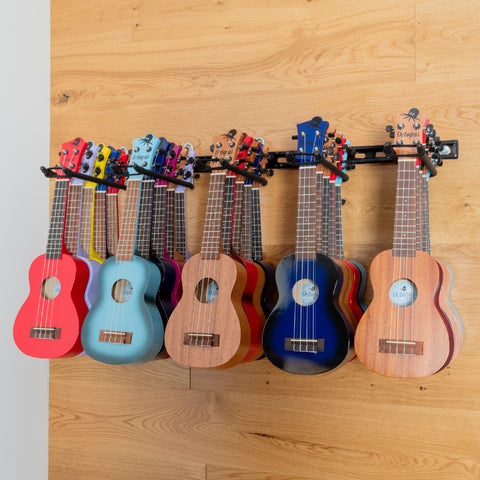
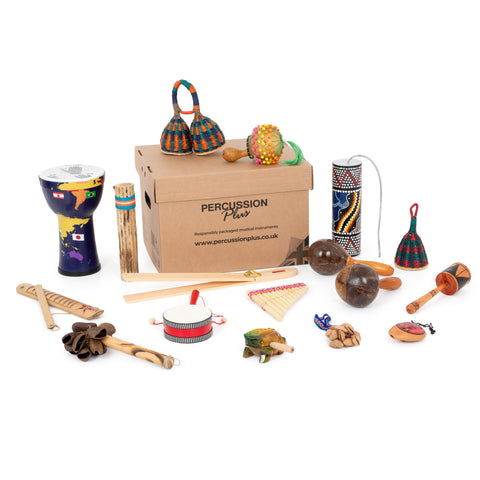
This is part of our wider work with schools and Music Hubs across the UK. We manufacture a number of music education products, including Percussion Plus Slap Djembes, Wak-a-Tubes, Octopus Ukuleles and Chamberlain Music Whiteboards, as well as distributing education brands including Izzo, Majestic, Nuvo and Manhasset. Our education offering covers whole-class instruments and classroom percussion through to music technology, keyboards, pianos and equipment for specialist music spaces.
We also work directly with schools and Music Hubs through our education sales team, advising on equipment choices and finding solutions that work for different teaching environments. With the additional £25 million investment running through to 2026/27, supplying instruments, equipment and music technology remains an important part of the programme. Whether you're a teacher or part of a Hub Lead Organisation, our friendly education sales team are always happy to talk through your options, so do get in touch.
What does this mean for schools?
For most schools, this isn't likely to mean a completely different approach to music education from one year to the next. Music Hubs are still providing many of the services they offered before the 2024 restructure, from instrumental teaching and ensembles to instrument loans and teacher support. HLOs are taking a more joined-up approach across their larger areas, while the new National Centre will provide national leadership and support through its planned CPD offer, investment in instruments and technology, and work with Music Hubs.
Schools should continue to make use of their local Music Hub rather than seeing it purely as a provider of instrumental lessons. The current model is built around partnership working, with Hubs supporting curriculum planning, teacher development, inclusion, enrichment and progression alongside practical music-making.
Some detail is still to come, particularly around the Centre's CPD offer and Music Hub funding beyond 2027. The government's ambition is for Music Hubs to take a more strategic approach, while giving schools and teachers more support and improving access to music education across England. At Chamberlain Music, we'll continue to follow these developments and support schools and Music Hubs as the next stage of the programme takes shape.