Creating an effective environment for music-making is partly about teaching and partly about how the physical space is organised. Whether the setting is a primary school hall, a secondary classroom, a local church or community venue, or a private studio, the layout of the room and the equipment available can have a direct impact on the quality of rehearsal and on how prepared students feel when performance day arrives.
From rehearsal to performance
A rehearsal space needs to support several stages of musical learning. Early rehearsals often prioritise exploration and familiarity with the music, while later sessions focus more on ensemble balance, communication and performance readiness.
As rehearsals progress, the layout of the room may change several times. Directors often need to adjust how performers are arranged in order to achieve better sightlines, improved balance or a clearer blend of sound. When working with younger musicians this process can involve additional practical considerations: differences in height, varying instrument sizes and the need to ensure that all students can see and be seen clearly.
Different instruments also require different amounts of physical space. Deciding when performers should sit or stand, ensuring there is room for instruments to be handled safely and providing space for students to rest while others rehearse can become surprisingly complex. Thinking about these practical factors early in the rehearsal process helps avoid last-minute rearrangements that can unsettle students.
As the performance date approaches, the same rehearsal space should begin to mirror the conditions students will experience on stage. Planning the room with this progression in mind reduces unnecessary stress and helps students adapt more quickly.
Sightlines and communication
Successful ensemble playing relies heavily on visual communication. Students need to see the conductor or musical leader clearly, and in many contexts it can also be beneficial for them to be able to see one another.
Younger groups often respond well to semicircular or horseshoe layouts, which naturally encourage listening and eye contact. Older ensembles may work better in curved rows or sectional blocks that allow players to maintain sightlines while still projecting sound effectively.
Larger instruments should be positioned carefully so that they do not obstruct lines of sight. It is also important to plan ahead for additional equipment that may be introduced later in the rehearsal process. Microphones, monitor speakers, lighting rigs and projection screens should be incorporated into the stage layout early enough that students become accustomed to working around them.
Clear sightlines help performers follow cues confidently and maintain a stronger sense of ensemble awareness.
Managing sound in practical ways
The acoustics of a rehearsal space can influence how easily students hear themselves and one another. Rooms that are highly reflective, such as halls with hard floors, bare walls and high ceilings, can produce excessive reverberation, making it difficult to distinguish individual parts. However, rooms that absorb too much sound can feel flat and unresponsive, reducing energy and making it harder for students to judge balance and tone.
Improving the acoustic environment does not always require specialist installations. In many cases, simple adjustments can make a noticeable difference. Soft furnishings such as curtains, carpets or portable rugs can reduce harsh reflections in particularly lively rooms. Bookshelves, display boards and fabric wall hangings can also help break up sound reflections, making the room easier to work in.
Acoustic panels are another effective option where space allows. These panels absorb and diffuse sound, helping to control resonance and improve clarity. Even a small number of strategically placed panels can make ensemble rehearsals more manageable, particularly for larger groups such as choirs, wind bands or percussion ensembles.
Moveable acoustic screens such as drum screens can also be useful in shared spaces. They allow teachers to shape the sound of the room temporarily, helping to contain louder sections or reduce the impact of particularly powerful instruments. This can be especially helpful when multiple ensembles use the same room for different purposes throughout the week.
One of the most valuable strategies, however, is simply maintaining consistency. If the acoustic environment changes dramatically between rehearsal and performance, students can struggle to adapt. Keeping conditions relatively stable during the final stages of rehearsal allows them to develop confidence in their ensemble sound before stepping into the performance venue.
Equipment that supports efficient rehearsal
Reliable equipment helps maintain the flow of rehearsal and prevents unnecessary interruptions. Small practical details often make a significant difference.
Adjustable music stands, for example, allow players to position their music at a comfortable height. Teaching younger students how to adjust stands correctly can save considerable time and prevent poor posture. Pairing students of similar height as stand partners can also make shared stands easier to manage.
Good quality cables, DI boxes and stage connections reduce the risk of technical issues, while keeping a small supply of spares nearby prevents minor problems from stopping a rehearsal entirely. Larger instruments such as percussion setups or keyboards often benefit from dedicated stands or transport trolleys, particularly when equipment needs to move between rooms or ensembles.
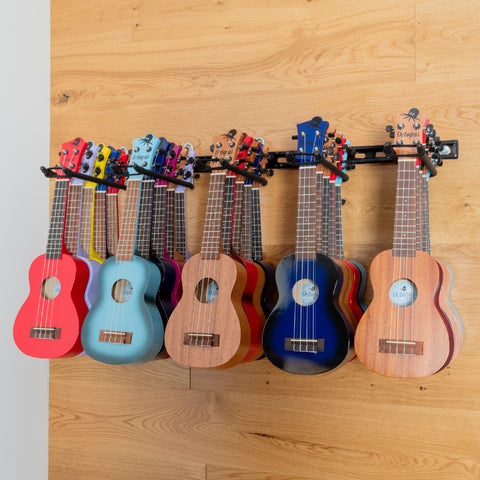
Even in smaller spaces, thoughtful storage solutions help reduce clutter and ensure equipment can be accessed quickly when needed.
Introducing performance conditions early
Students are generally more confident performers when the rehearsal environment gradually introduces elements of the performance setup. Rather than waiting until the final rehearsal to add microphones, monitors or staging, it can be helpful to introduce these elements earlier in the preparation process.
This allows students to become comfortable with the physical presence of equipment and understand how it affects their sound and positioning. For younger performers in particular, microphones can be an unfamiliar and sometimes distracting addition. The last thing you want is a child singing directly into a microphone meant for large group amplification, but for many younger children this is often their first reaction. Early exposure helps them learn appropriate microphone technique and develop awareness of how amplified sound behaves.
Practising entrances, exits and stage positions is also an important part of preparation. When these routines become familiar, students are free to focus on musical expression rather than worrying about where they should stand or how they should move. Consistent reminders not to chat or fidget are also useful to avoid extraneous noise being picked up when the mics are in place.
Supporting wellbeing through thoughtful space management
A well organised rehearsal environment can reduce anxiety and help students focus on their musical work. Simple considerations, such as providing a calm warm-up area or deciding where instrument cases and bags should be stored, prevent unnecessary distractions during rehearsal.
Keeping the main rehearsal space clear of personal belongings also helps maintain safe movement around instruments and equipment. Lighting should be comfortable and practical, allowing students to read music easily while still seeing the conductor or director clearly. Avoiding strong lights shining directly into performers’ eyes can also improve comfort during longer rehearsals.
When students become familiar with the space and the routines within it, rehearsals feel more predictable and supportive.
Moving from rehearsal room to performance venue
When performances take place in a different location, maintaining some continuity between rehearsal and stage can help students adjust more easily. Replicating the rehearsal layout where possible provides a useful point of reference, even if the venue itself is larger or acoustically different.
Bringing essential equipment, such as music stands, key percussion instruments or risers to rehearsals throughout the preparation period can also help students become familiar with how the ensemble looks and sounds in performance formation.
Make sure to allow time for a short sound check or acoustic adjustment at the venue. Briefly running the beginnings and endings of pieces can help build confidence and also confirm balance, cues and technical elements such as backing tracks before the full performance begins.
Establishing calm and predictable rehearsal routines
Students perform best when their environment feels organised and supportive. A rehearsal space does not need to be elaborate or purpose-built in order to be effective. What matters most is that it supports clear routines, reliable equipment and predictable working conditions.
When rehearsal spaces are thoughtfully arranged and gradually prepared for performance conditions, students can focus their attention where it belongs – on making beautiful music.
Taking your rehearsal space further
At its best, the music classroom is a place where students can develop skills that go far beyond the musical: confidence, collaboration, self-expression and resilience. By embedding predictable routines, designing achievable tasks and creating a supportive environment, teachers can ensure that wellbeing is not an add-on but a natural part of everyday musical activity.
If you’d like to explore ways to develop your rehearsal spaces or expand your music-making resources, our education team is always here to help. You can contact us at sales@chamberlainmusic.com or call 01428 658806 to speak to a specialist.