Chamberlain Music is a Department for Education approved supplier for the Musical Instruments, Equipment & Technology Framework

Percussion Plus Honestly Made Ghanaian xylophone

Brand: Percussion Plus SKU:
RRP
ex. VAT
Trolley Add to basket
  • Crafted in Ghana using traditional materials and methods .
  • Dried calabash gourds act as resonating chambers
  • Made from high-quality wood
  • Comes with 2 beaters
  • Responsibly sourced
  • Product information
  • Specifications

Introducing the Percussion Plus Honestly Made Ghanaian xylophone

This Percussion Plus Honestly Made xylophone originates from Ghana and is crafted in a traditional African style. Commonly known as a balafon or balaphone, it features beautifully hand-carved wooden keys arranged in sequence on a sturdy wooden frame. The design reflects the rich musical heritage found across many regions of Africa, making it an ideal instrument for music education and classroom use.

The xylophone features dried calabash gourds hanging from the frame, which act as resonance chambers to amplify the volume and produce a characteristic, warm tone. It is available in 8 and 10 note models, both of which can be played using the two included beaters.

Each instrument is handmade using traditional materials and methods. See below for more information about the Honestly Made range of instruments from Percussion Plus.

These items are musical instruments, not toys, and there may be small parts on or in some of them. Younger players should use them under supervision.

Our sustainable packaging

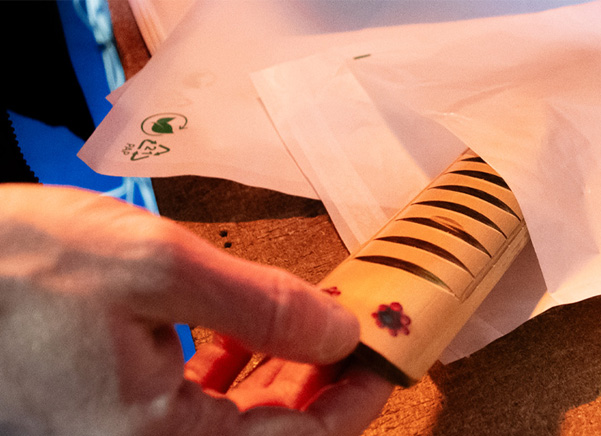
We use as little packaging as possible for our Honestly Made products, but where it’s needed, we’ve chosen I’m Green renewable polythene – a carbon-neutral material that’s 95% renewable and fully recyclable. Some items may still arrive with our previous biodegradable packaging as we strive to use up existing materials, but whichever form it takes, it’s all part of our effort to reduce waste and supply sustainably.



Percussion Plus Honestly Made products are manufactured in independent family workshops that are too small to join Fair Trade groups or are located in countries that do not have such organisations. These suppliers and their subsidiaries all follow Fair trade principles which include:

  • Agreeing a fair price Use of recycled materials
  • Paying significant amounts upfront
  • Being loyal and reasonable in all dealings
  • Prioritising smaller suppliers over large factories
  • Manufacturing methods that do not damage the environment